FODS: More than just ticking the box
By: Tom O'Keane
FODS composite rumble grids have impressed transport authorities around the world, satisfying compliance and local regulations, regardless of the jurisdiction. But how do they fare against Australian specifications? Roads & Infrastructure finds out.
Satisfying department of transport officials, project stakeholders and environmental regulators, among others, to land a product on an approved list can be a significant challenge.
It can often take substantial time to conduct this process in just one state, let alone nationally.
It’s a journey that FODS composite rumble grids have undertaken in recent times.
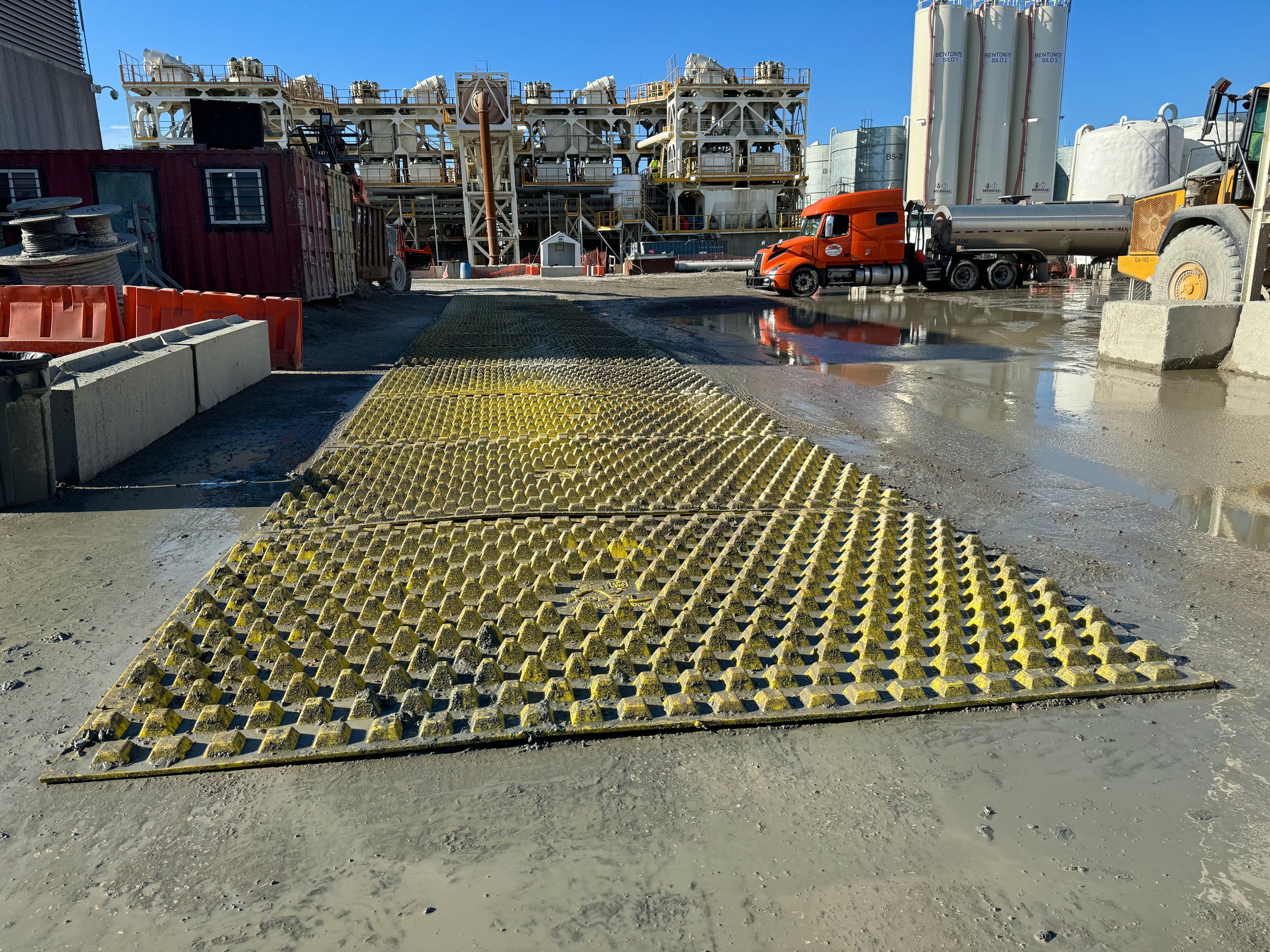
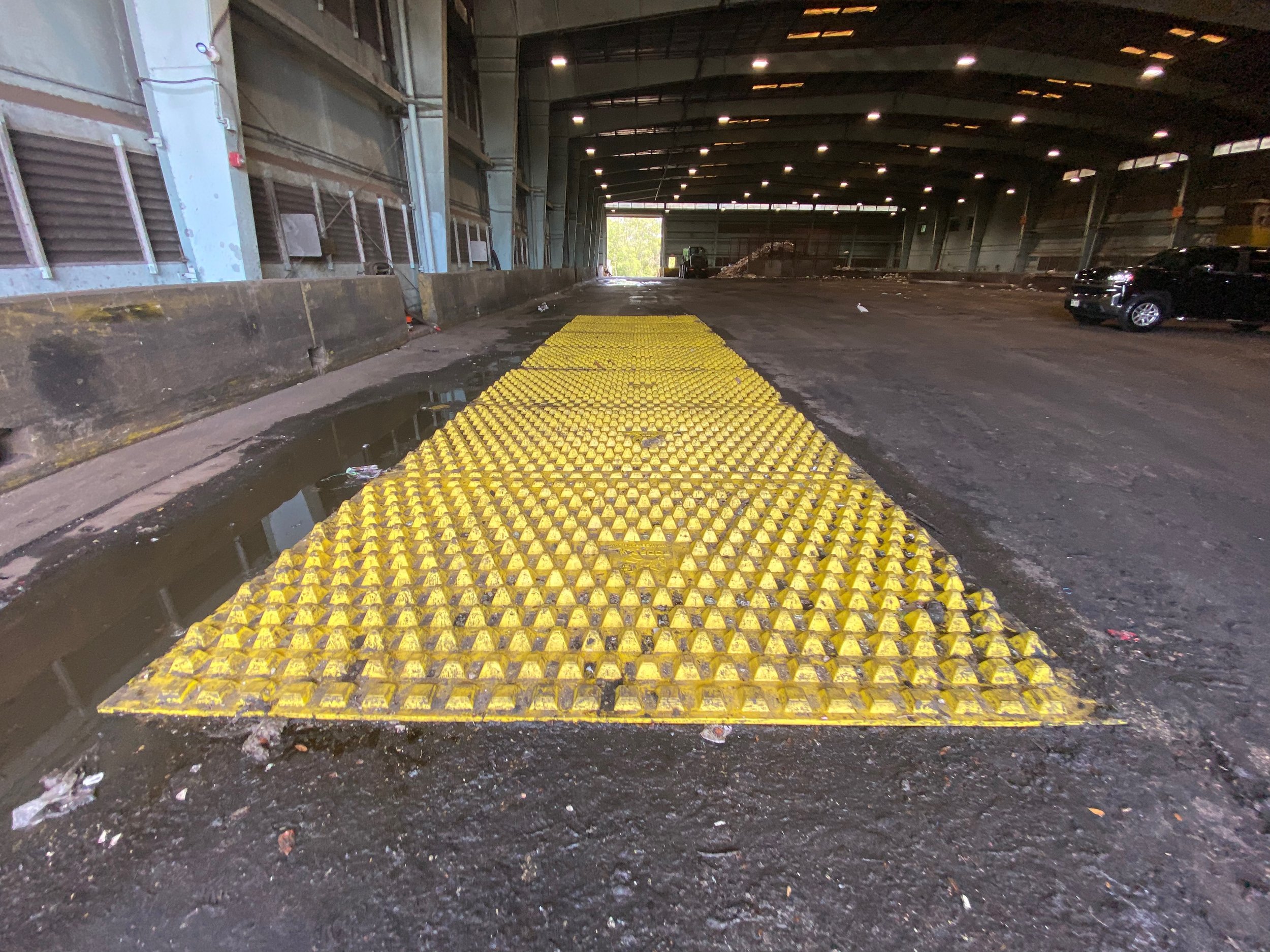
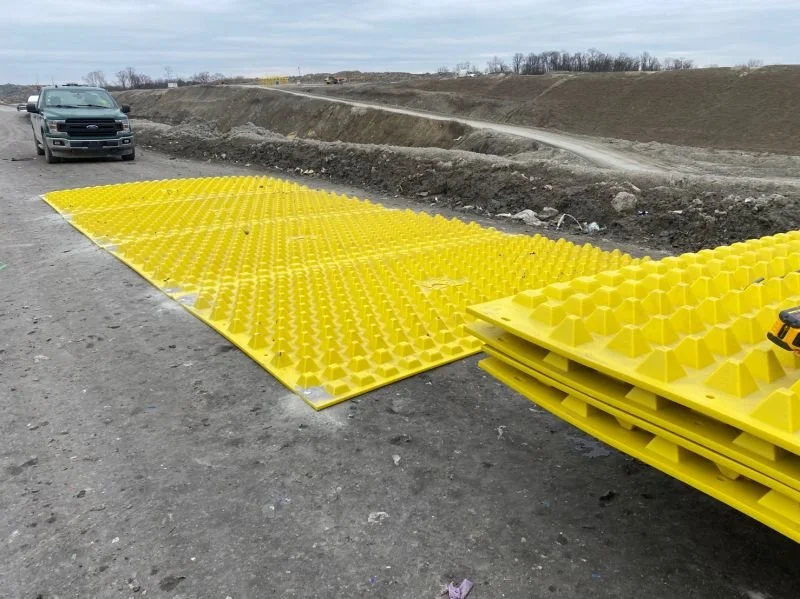
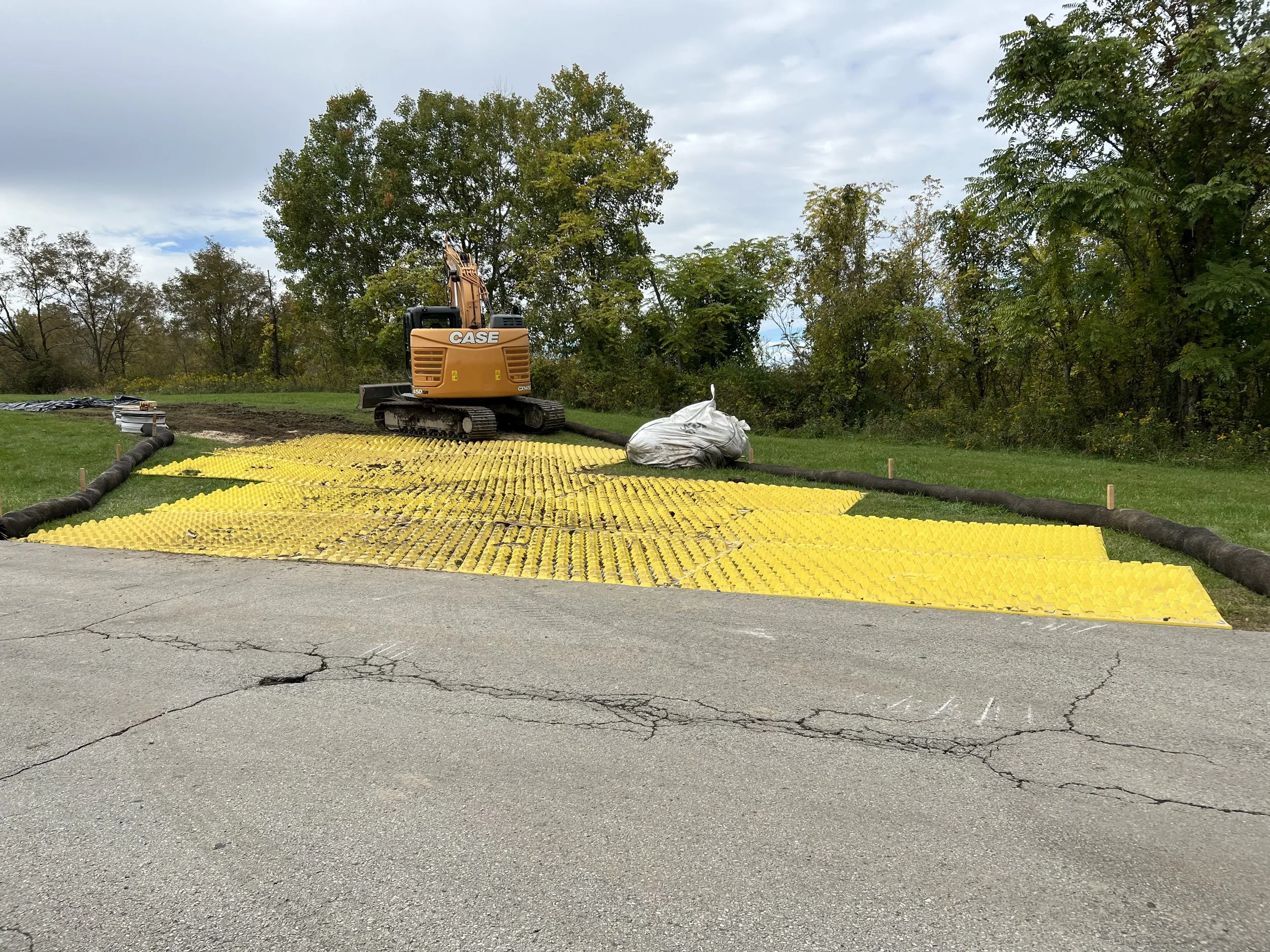
Designed to prevent mud, sediment, and dust from being tracked off construction sites onto public roads, FODS mats help contractors comply with stormwater protection regulations, reduce environmental impact, and improve site safety by preventing debris from being carried onto public streets.
But how?
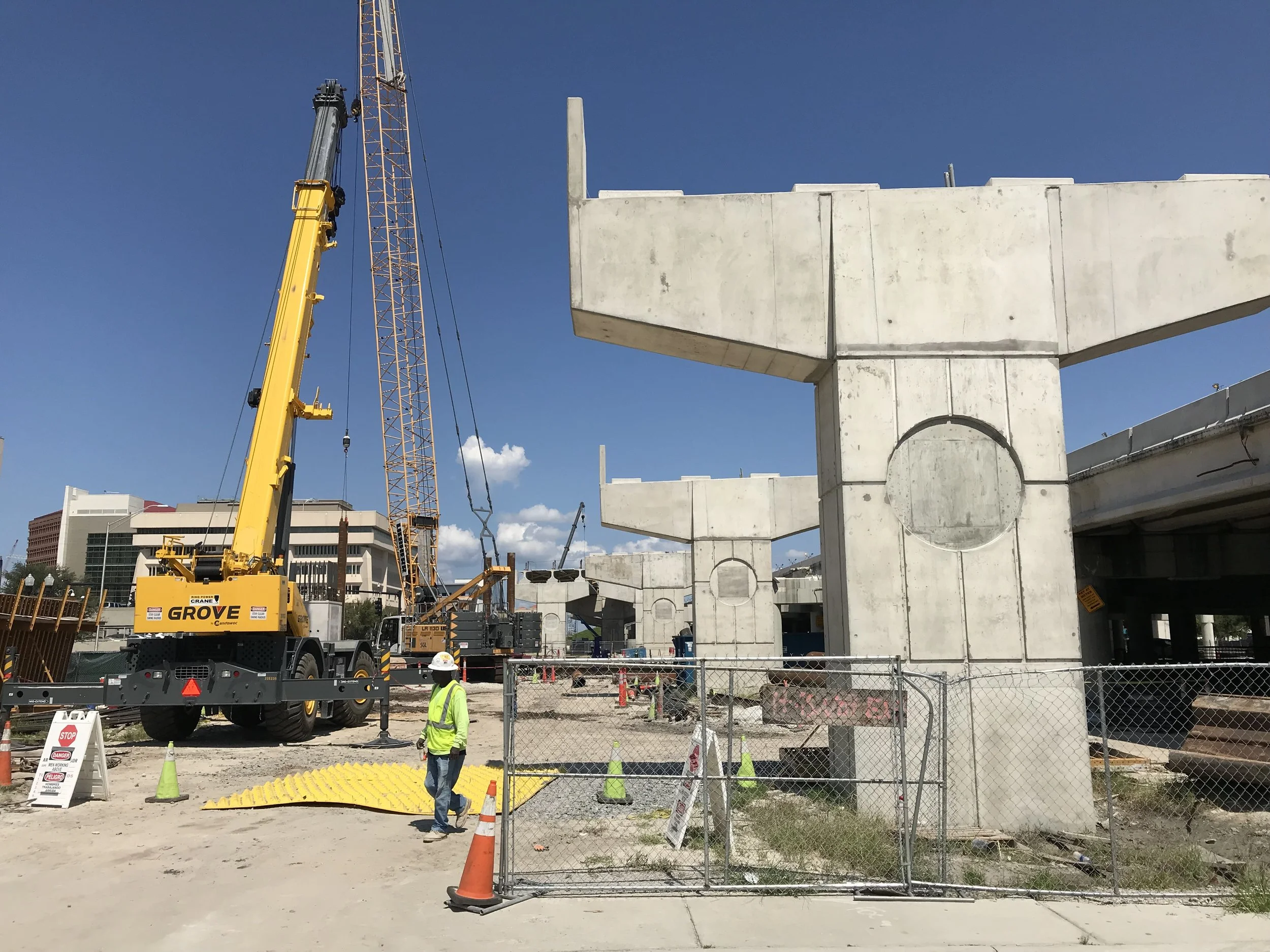
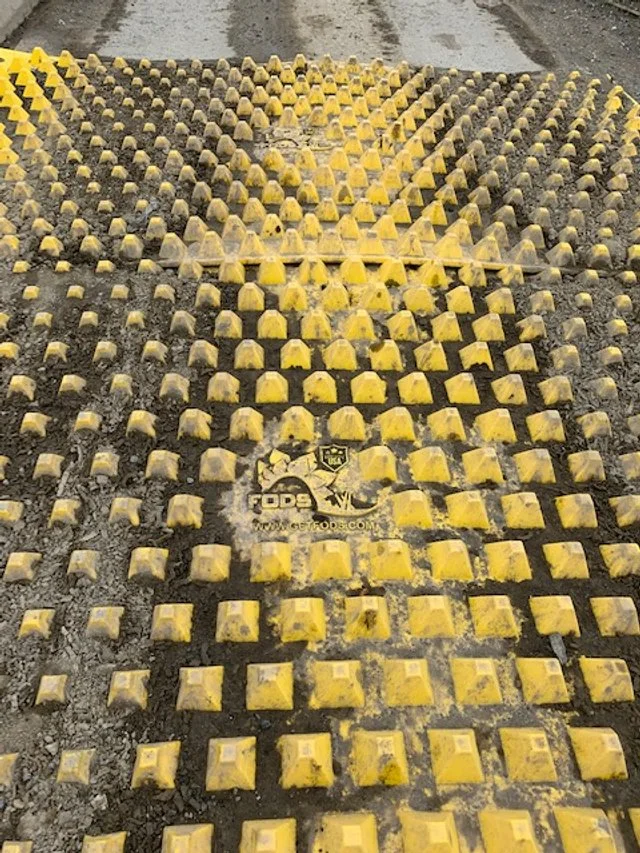
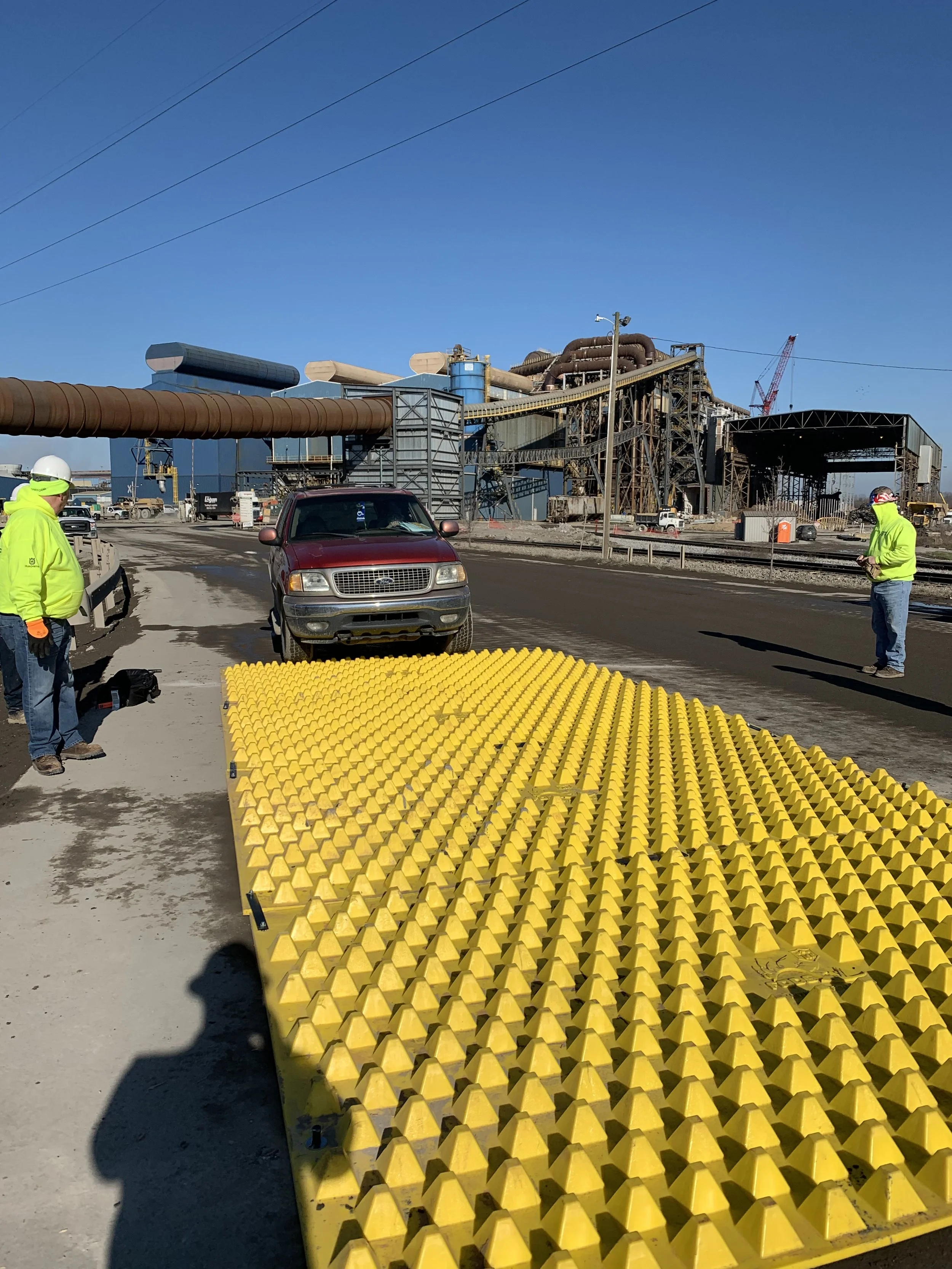
FODS vastly improves on conventional rock entrances to infrastructure sites by providing specialised mats with pyramid-like structures that capture and contain dirt and debris from vehicle tyres as they exit construction areas.
FODS requires minimal maintenance, such as occasional sweeping or shovelling, compared to rock entrances that need constant replenishment and levelling as the effectiveness of stone rapidly declines. Rock entrances can also create road hazards, with vehicles entering on-site potentially kicking up stones that can cause accidents.
The system works across various environments, from urban sites to dry landscapes, and can handle different vehicle types and weights, from small cars to heavy mining equipment.
To categorically validate these claims before compliance satisfaction could be sought, FODS engaged experts in the industry. As Sales Manager, Chloe Moretz explains.
“Road and transport authorities want to see that an alternative can at least meet the same standards as other methods. In the case of FODS, it had to be as effective as rock,” she says.
“We have always had confidence in the product, because we know how much more efficient and effective it is. To back that up, we’ve had the mats third-party tested in a variety of conditions and different soil types. This includes different traffic types driving over the mats, all in different environments, and they continue to perform.”
This validation has also been developed to cater for the specific needs and differing perspectives of project stakeholders.
“The standard you have to aschieve is a little bit different, depending on who you’re talking to,” Moretz says.
“For engineers, effectiveness is key, and they’re often thinking about the safety perspective. The contractor’s top features are reusability over time and cost effectiveness. Whereas regulators really like that they can tell exactly when the mats need to be cleaned or refreshed. They can go out with a tape measure and say, ‘All right, time to clean them off’ – whereas with rock, that’s not very quantifiable.”
Key milestone
Over the past few years, FODS’ had received approval from dozens of regulatory bodies around the world but FODS’ testing efforts focused on seeking approval from CALTRANS, the California Department of Transportation.
Considered the leading authority in best management practices for erosion and sediment control standards, CALTRANS is identified nationally as a trendsetter in the space.
Its strict environmental compliance requirements, rigorous evaluations of alternative solutions and emphasis on environmental protection in infrastructure projects (supported by agency CASQA – California Stormwater Quality Association) can present challenges for product approvals before use.
Satisfying CALTRANS requirements was a major milestone for FODS, with many international erosion and sediment control handbooks also referencing California as a benchmark.
“A lot of states and even countries refer to California as a gold standard,” Moretz says. “CALTRANS has been using our mats for several years already. Getting that official approval does really signify to others that FODS is an approved and verified alternative.”
With CALTRANS’ and many other state-specific DOT approvals within its arsenal, FODS has quickly expanded worldwide. Differing requirements and specifications between each jurisdiction have presented some challenges due to the lengthiness of the process and each agency having their own methodology, Moretz admits. But still, FODS has been able to hold its own under scrutiny.
“I have seen a lot of countries become more congruent across the board over the past few years,” she says. “In the late 2010s and then early 2020s, there was some massive overhauling of the handbooks and specifications.”
Now with a foothold in the United States and Canada – as well as continuing expansions into Europe and the Middle East – the FODS system is rapidly in demand in a growing Australian market.
“We’re really excited, because the regulatory piece is there. Australia is pretty strict, and is becoming stricter around environmental compliance,” Moretz says. “It does seem like the contractors have a big emphasis on the environmental aspect as well.
“There’s a lot of population and construction growth in the metro areas. Some projects of that have already seen FODS applied.”
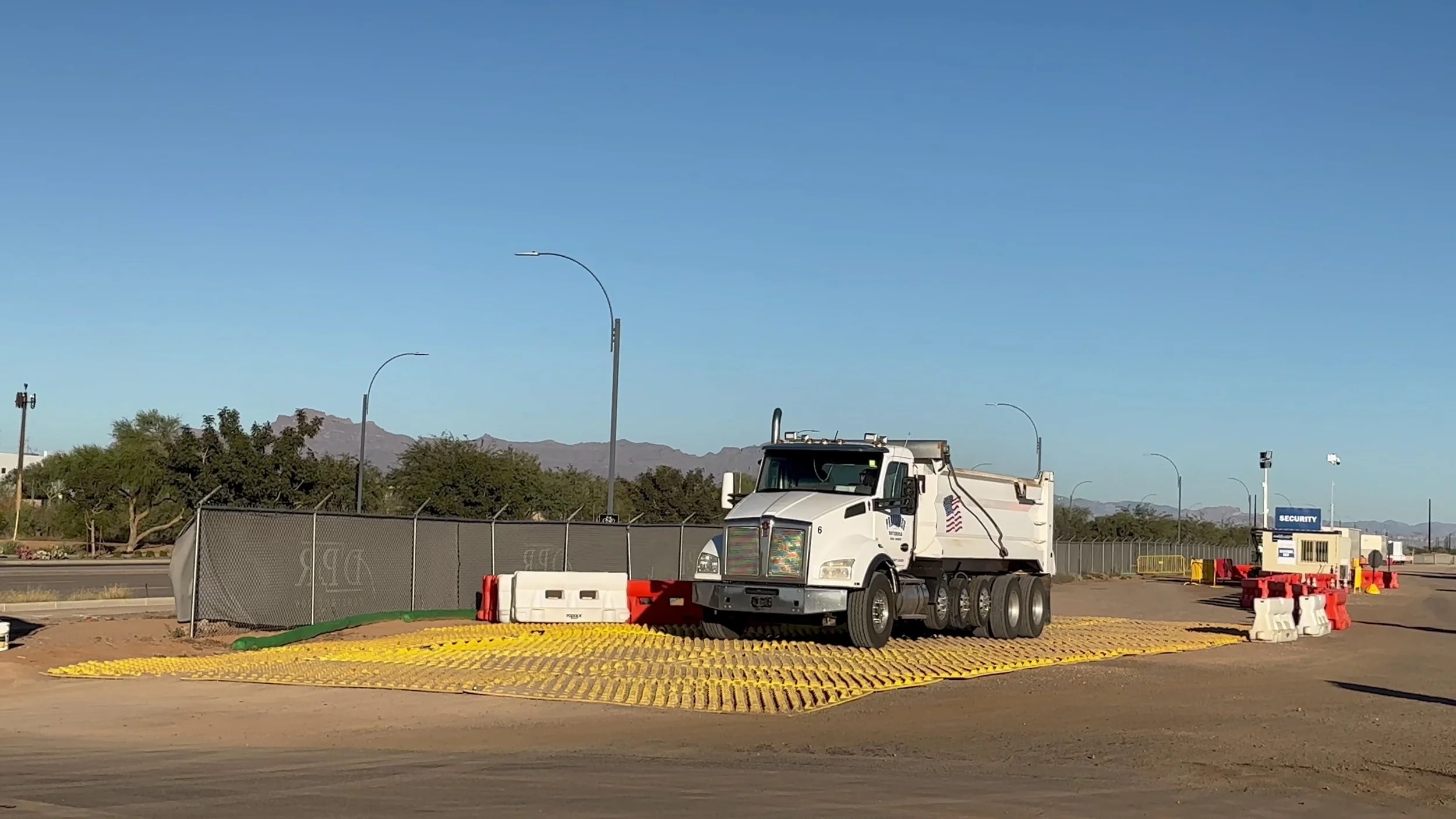
Just some of these projects include the West Gate Tunnel and Metro Tunnel in Victoria and Queensland’s Captain Cook Highway project. A number of initial trials have also already taken place.
This is thanks in part to FODS’ growing distribution channels, with Shore Hire and JWA already providing stock nationally.
Moretz says FODS views this is as just the first steps for the system in Australia.
“Now that we’re building out our distribution network and have a rental option available, I expect things to only continue to grow,” she says.
Also on FODS’ radar is further expansion into Canada.
“We are used across Canada on a variety of high-profile jobs. We are also included in the British Columbia sediment and erosion control handbook,” Moretz says.
“They have a section for a synthetic mat, stabilised entrance, and it’s literally a photo of FODS.”
With growing markets across the world, FODS – as well as it’s contributions to major infrastructure projects – is showing no signs of slowing down.